키미작
작가 키미작
1975년 부산 출생
학력
Konyang University (Department of Visual Design)
Certified Cultural Heritage Repair Technician (Lacquerware), Republic of Korea
주요 개인전
개인전
2025 Childhood Diary - Labell Gallery, Seoul
2024 The Melody - Gallery Space Togo, Seoul
2024 Voice of November - Hiddenspace Gallery, Daegu
2023 SCENE #17 - MGFS100 Gallery, Seoul
2022 Summer BlaBla - Public Gallery, Seoul
2021 Deep Pond of Color - Seoul Hanokchoeng, Seoul
2020 Omuamua - Artbit Gallery, Seoul
2020 Deep Down - Galerie Le Cerisier, Paris
2019 The Foreigner - KBS Main Building, Seoul
2019 Standing Still in Strangeness - Artbit Gallery, Seoul
단체전
2024 Voice of November – Hidden Space Gallery, Daegu
2024 A Certain Moment – Duru Art Space, Seoul
2024 Flower and Fruit – Peyto Gallery, Seoul
2024 Breeze – Gallery Now, Seoul
2023 From a Strange Perspective – Canvas N Gallery, Seoul
2023 Art Ground London – Saatchi Gallery, London
2023 BIG WAVE – Seoul Auction, Seoul
2023 Atmosphere – Kimreeaa Gallery, Seoul
2022 ART SHOW – Seoul Auction, Daegu
2022 10–200: A Happy Picture – Mac Gallery, Busan
2022 ART SPACE – Kimreeaa Gallery, Seoul
2021 Majoongmool – Kimreeaa Gallery, Seoul
2021 Art Auction & Donation – Grand InterContinental Hotel, Seoul
2021 The Temperature of Objects – Shinsegae Centum City, Busan
2021 Teje – Gallery Hue × Shinsegae Boon the Shop, Cheongdam, Seoul
2021 A Midsummer Night’s Dream – Risu Gallery, Seoul
2021 Majoongmool Art Market Special Exhibition – Kimreeaa Gallery, Seoul
2020 Seongbuk-gu 369 Village Story Exhibition Seongbuk-gu, Seoul
2019 Stood in the Midst of Strangeness – Galerie B&B, Paris
2019 Nice to Meet You – Insa Art Gallery, Seoul
2019 The Foreigner – KBS Main Building, Seoul
아트페어
2025 KIAF Seoul – Duru Art Space, COEX, Seoul
2025 Artpartment Week – Duru Art Space, Seoul
2025 Asia Art Fair Osaka – Osaka International Convention Center (OICC), Osaka, Japan
2025 Hwarang Art Fair – Duru Art Space, COEX, Seoul
2024 KIAF Seoul – Duru Art Space, COEX, Seoul
2024 17th Daegu International Art Fair – Daegu
2024 Incheon Art Show – Duru Art Space, Incheon
2024 Affordable Art Fair – Hong Kong
2024 Hwarang Art Fair – Duru Art Space, COEX, Seoul
2024 BAMA (Busan Annual Market of Art) – Gallery JN, Busan
2023 16th Daegu International Art Fair – Daegu
2023 BAMA (Busan Annual Market of Art) – Gallery JN, Busan
2023 Art Taipei – Gallery Jung, Taipei World Trade Center, Taiwan
2023 Urban Break – MGFS100 Gallery, COEX, Seoul
2022 BAMA (Busan Annual Market of Art) – Gallery JN, Busan
2022 Blue Art Fair – Gallery JN, Daegu EXPO, Daegu
2022 LA Art Show – Los Angeles, USA
2021 Living Fair – Kimreeaa Gallery, COEX, Seoul
2021 Seoul Art Fair – Hwan Gallery, COEX, Seoul
2021 BANK ART FAIR – COEX InterContinental, Seoul
Painting Between Materiality and Anonymity
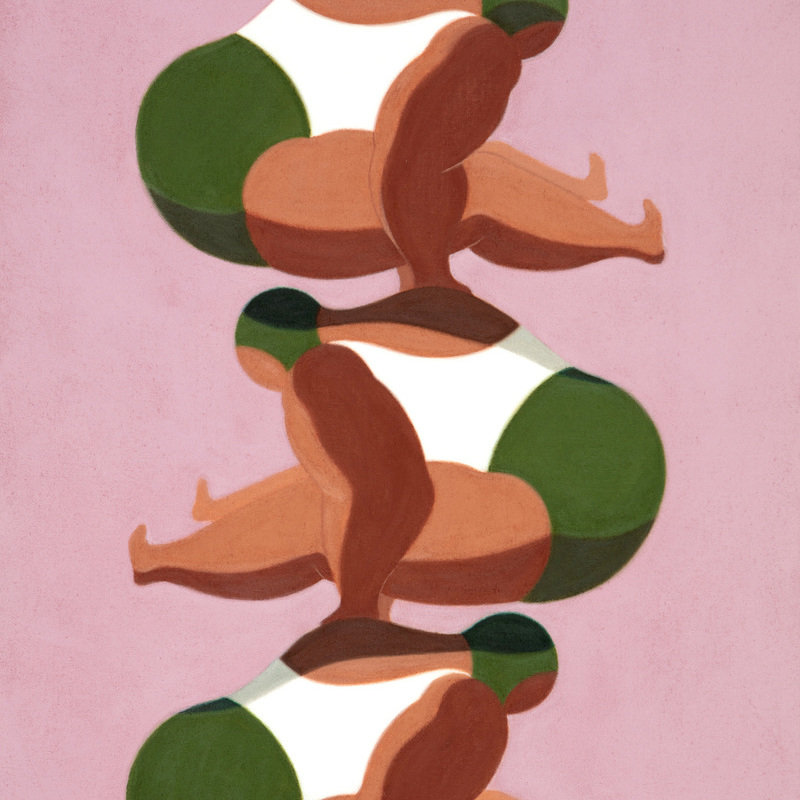
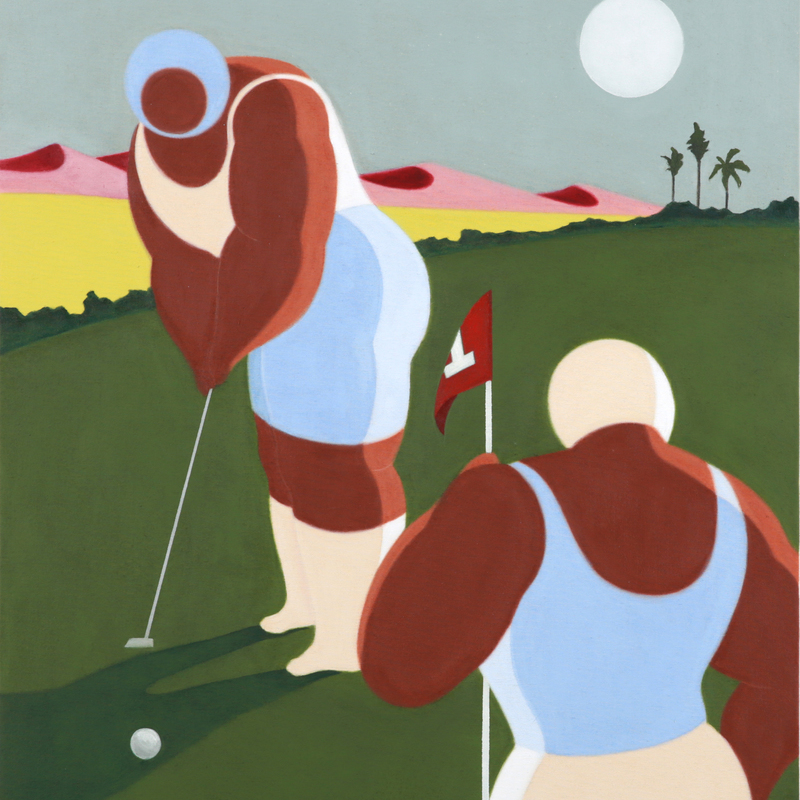
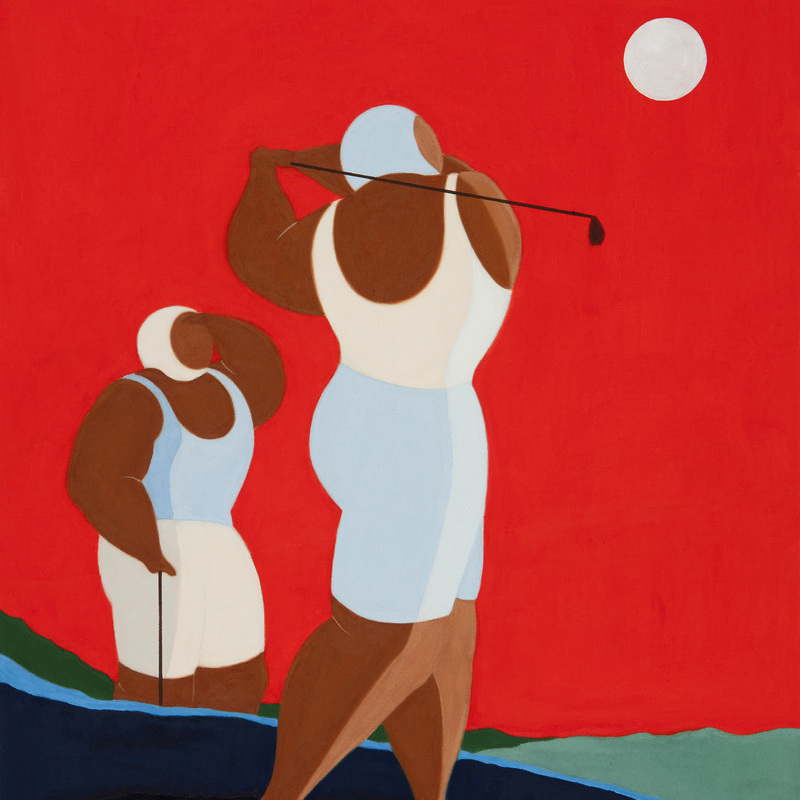
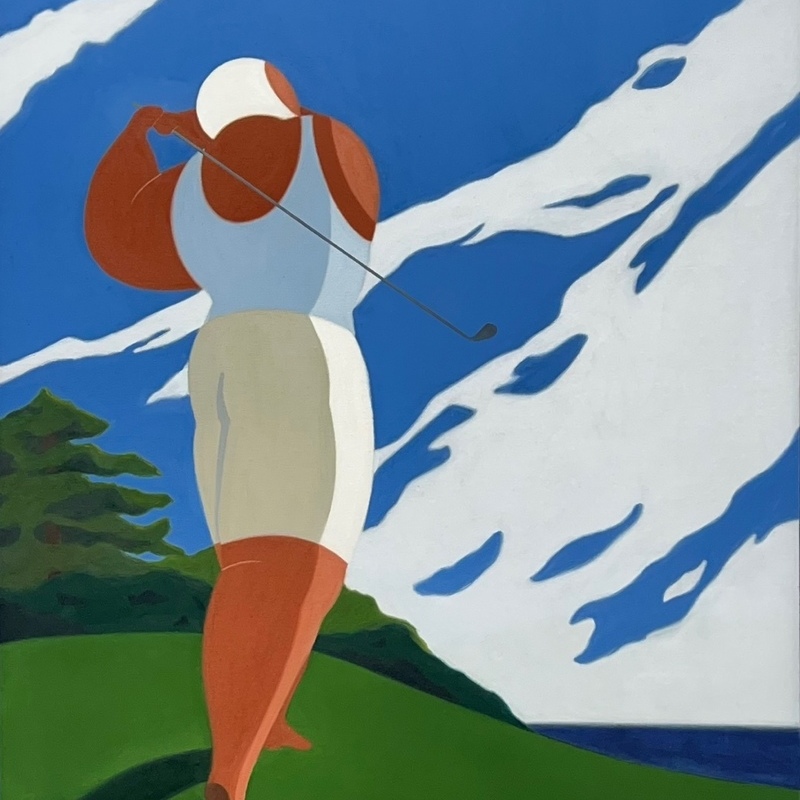
Kimi Jaak’s paintings develop a distinctive pictorial language shaped by the materiality of her medium, the sensorial qualities of color, and the presence of anonymous human figures. Rather than remaining within the realm of simple image representation, her work explores both the tactile experience generated by materials and metaphorical reflections on modes of existence in contemporary society. Her choice of linen as a support, the recurring faceless “John Doe” figures, and scenes of collective movement drawn from sports together reveal a practice that moves between material sensibility and social meaning.
Material Choice and the Materiality of Painting
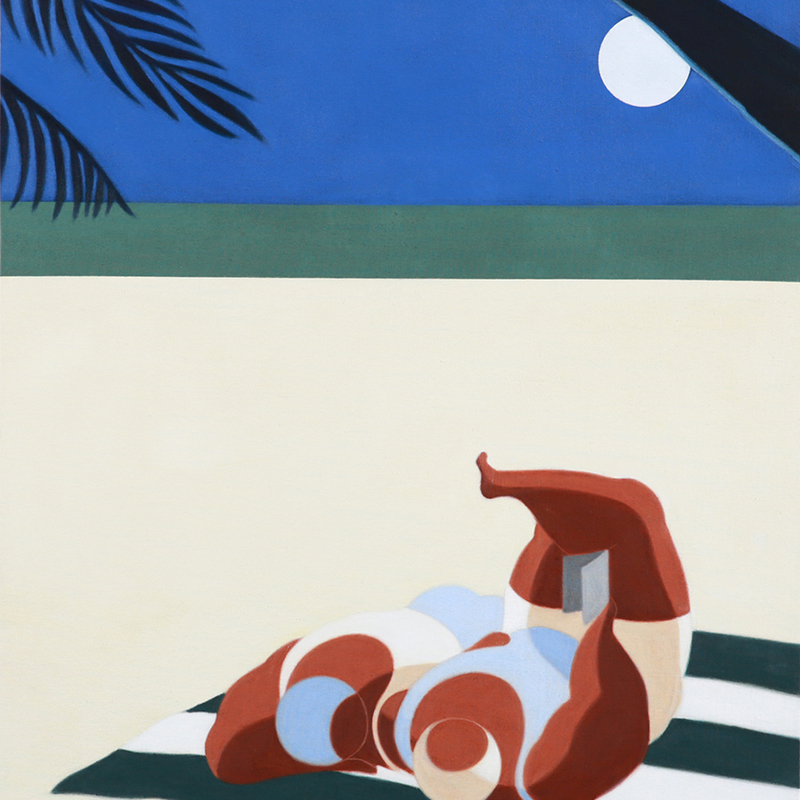
One of the most striking aspects of Jaak’s work is her use of linen in place of the conventional canvas. While traditional oil painting often emphasizes the thickness of paint and the physical presence of the painted surface, Jaak takes advantage of the way oil pigment permeates the fibers of linen. Color therefore does not sit heavily on the surface but seems to emerge gently from within the fabric itself. The artist describes this quality as having a “soft, blanket-like feeling,” a phrase that points to more than a simple metaphor. It suggests that painting can evoke tactile sensations that extend beyond the purely visual.
This approach diverges from the thick, impasto-driven expressions frequently associated with contemporary painting. Instead of building heavy layers of paint, Jaak often spreads pigment in restrained planes and occasionally scrapes the surface back when necessary. Through this process, the materiality of painting appears in a subtle and controlled manner. What becomes central on the pictorial surface is not the thickness of paint but the delicate interplay between fiber and color. In this sense, painting becomes less a flat image and more a field where material and color actively interact.
Color and the Resonance of Traditional Sensibilities
Jaak’s approach to color is closely connected to this material awareness. She tends to minimize the mixing of colors, instead preserving the distinct qualities of individual pigments. By purchasing raw pigments and mixing them directly with linseed oil, she intensifies both the density and saturation of color while reinforcing its material presence within the painting.
Her experience with lacquer work has played an important role in shaping this sensibility. The limited yet deeply resonant chromatic system characteristic of lacquer produces a similar tension in her paintings. As a result, her palette often diverges from conventional Western color structures. The deep and warm tonalities that emerge on the surface, along with the dynamic tensions created through complementary contrasts, resonate with color sensibilities found in Korean traditional crafts and lacquerware. In this way, Jaak’s paintings do not simply follow Western painterly conventions but can be understood as an attempt to rearticulate East Asian chromatic sensibilities within a contemporary painterly framework.
The Anonymous Figure “John Doe”
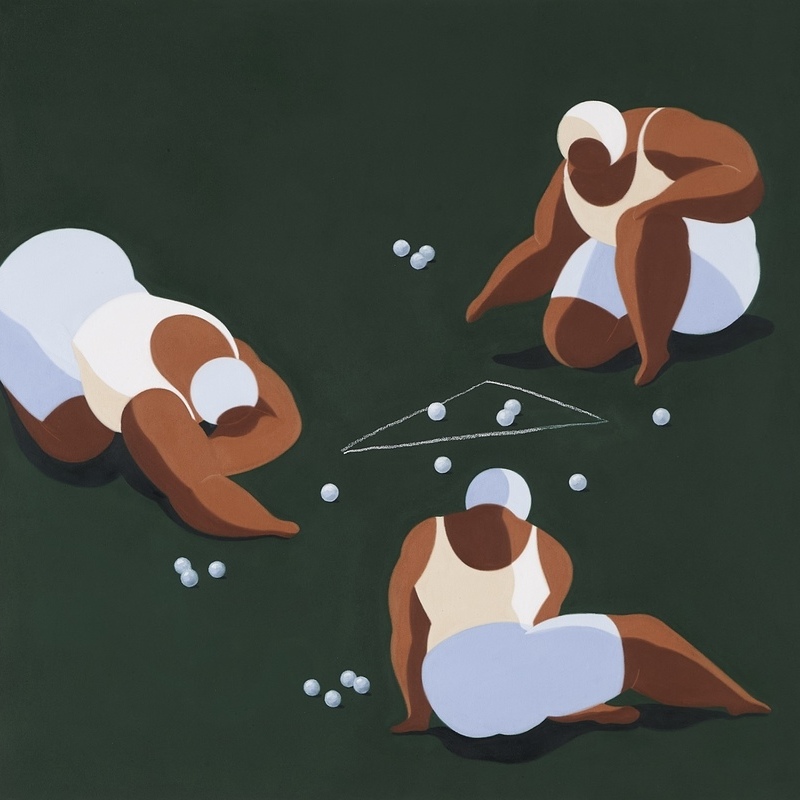
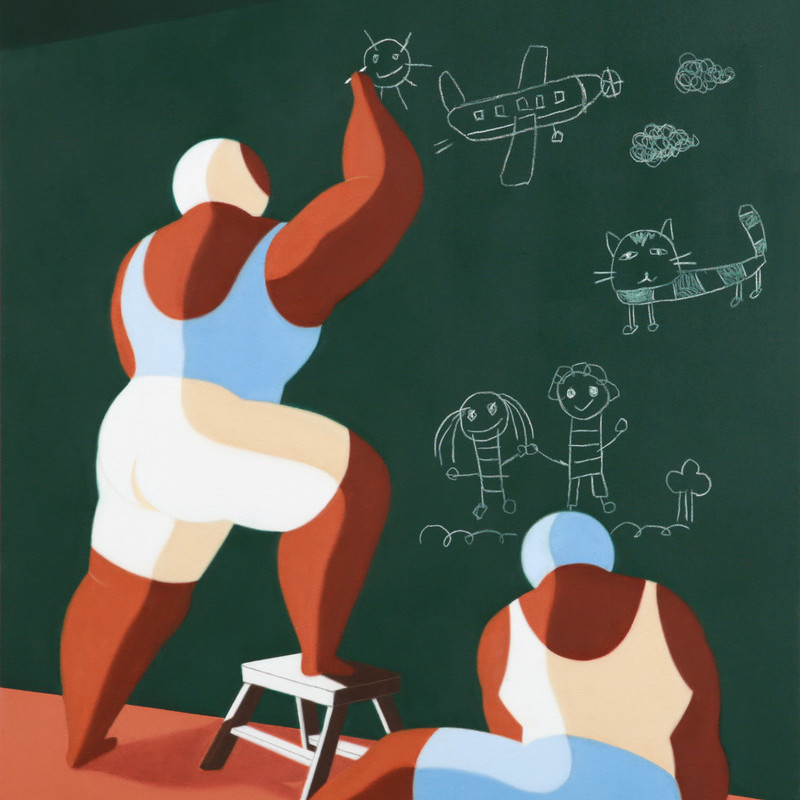
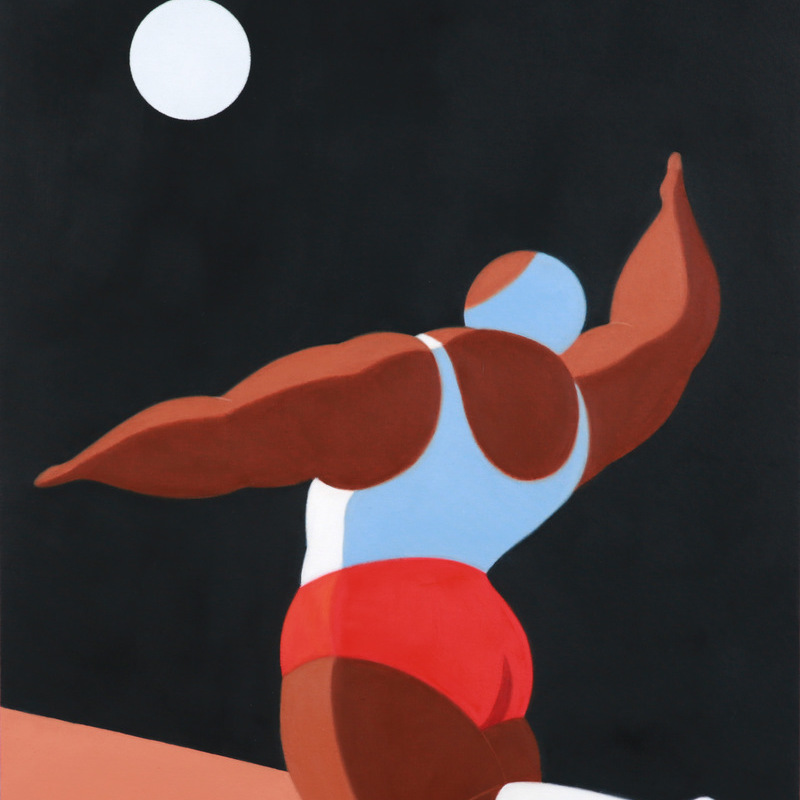
The recurring “John Doe” figure functions as a central conceptual device in Jaak’s work. With facial features deliberately removed, the figure is presented not as a specific individual but as an anonymous presence. This absence of identity shifts the viewer’s attention away from expression and toward the body’s movement and the situation in which it appears.
In particular, the repeated image of figures wearing water polo caps reflects the condition of anonymity experienced by individuals in contemporary society. Within the context of a water polo match, players are difficult to distinguish from one another and remain in constant motion within the flow of the game. Jaak transforms this scene into a metaphor for contemporary social relations. We often form connections without fully knowing one another, and at times we deliberately conceal aspects of our identities. The “John Doe” figure thus visualizes a state of anonymous existence that resonates with the conditions of contemporary life.
Another distinctive feature is the intentional reduction of the figures’ hands and feet. This subtle distortion can be read as a satirical commentary on contemporary society’s tendency to exaggerate external achievements and credentials. At the same time, Jaak’s work reflects a critical awareness of how the value of labor is increasingly obscured. While artistic production is often framed through narratives of genius or inspiration, Jaak emphasizes the role of sustained effort and disciplined practice. Her work therefore foregrounds labor and process over the mythologized image of the artist.
Sports Imagery and the Idea of Balance
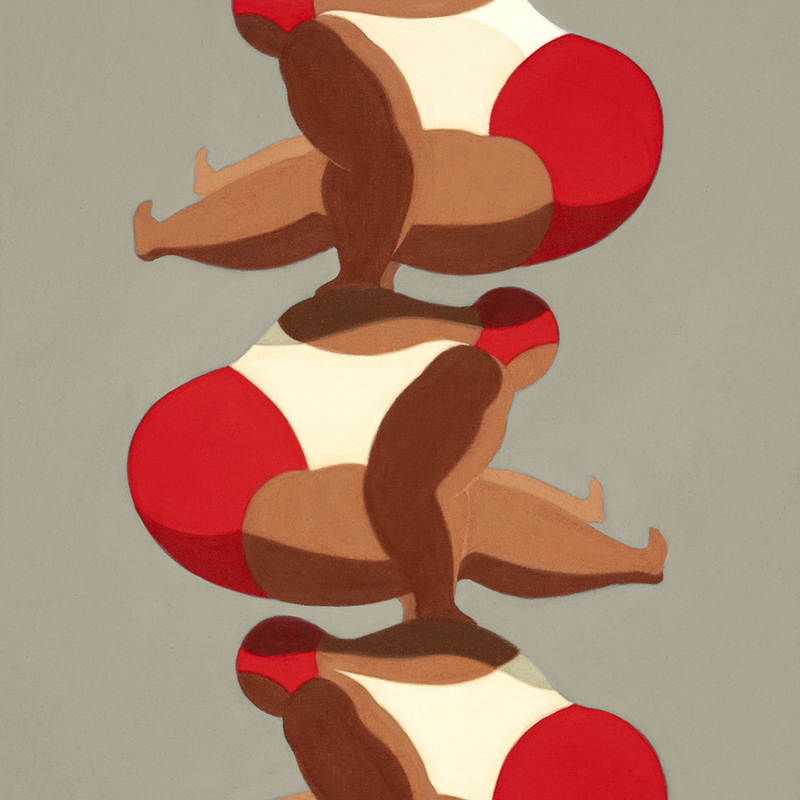
Jaak’s sports series moves beyond the simple depiction of athletic events. Instead, these scenes function as metaphorical reflections on balance in life. Sport is fundamentally grounded in bodily equilibrium and coordinated movement, qualities that mirror the structure of life as the artist perceives it. Opposing elements—strength and weakness, success and failure—exist in a state of dynamic balance.
This interest in balance can be traced back to her earlier works featuring circus imagery. The circus presents extreme situations in which equilibrium must be maintained in order for an act to succeed. Jaak has described her own life as unfolding within a similarly precarious balance. The later introduction of sports imagery extends this idea into more familiar and everyday contexts.
The choice of water polo is particularly significant. Unlike many sports that center on individual heroes, water polo is fundamentally dependent on collective coordination. The fluid movement created by anonymous players working together emphasizes relational dynamics rather than individual identity. In this way, the collective motion of the players reinforces the anonymity embodied by the “John Doe” figures.
A Sensory World Rooted in Experience
Kimi Jaak’s artistic language is shaped not only by conceptual reflection but also by personal experience. Her relationship with a color-blind friend she met in Hawaii significantly influenced her perception of color. Early works characterized by muted tonalities emerged from this encounter. Over time, the shifts in color within her paintings—often influenced by environment and season—have continued to reflect the ways in which her sensory awareness remains closely tied to lived experience.
Through this intertwining of personal experience, material sensibility, and social metaphor, Jaak’s paintings construct a complex sensory world. Rather than presenting a single narrative or fixed message, her works allow meaning to arise through the relationships formed by color, movement, and anonymous figures.
Ultimately, Kimi Jaak’s practice can be understood as an attempt to negotiate a balance between material and conceptual painting. The tactile chromatic qualities produced through linen and pigment emphasize the physical presence of painting, while anonymous figures and sports imagery suggest broader reflections on contemporary existence. These elements do not function independently but instead form an integrated structure within the pictorial field.
Within the surfaces where anonymous figures continually move, painting becomes more than an image. It becomes a space in which sensation, labor, and social relations intersect. In this space, the tensions between individual and collective, material and meaning, and sensation and concept unfold simultaneously—revealing a portrait of contemporary life.
물성과 익명성 사이의 회화
키미작의 회화는 재료의 물성, 색채의 감각, 그리고 익명적 인물 형상을 중심으로 구성되는 독특한 회화적 언어를 형성한다. 그의 작업은 단순한 이미지 재현에 머물지 않고, 재료가 만들어내는 촉각적 감각과 현대 사회의 존재 방식에 대한 은유를 함께 탐구한다. 특히 린넨이라는 재료 선택, 얼굴이 지워진 ‘존도’ 형상, 그리고 스포츠 장면을 통한 집단적 움직임의 표현은 그의 작업이 물질적 차원과 사회적 의미를 동시에 다루고 있음을 드러낸다.
재료의 선택과 회화의 물성
키미작의 작업에서 가장 먼저 주목되는 것은 캔버스 대신 린넨을 선택한 점이다. 일반적인 유화 작업이 물감의 두께와 표면의 물질성을 강조하는 방향으로 전개되는 반면, 작가는 물감이 린넨 섬유 속으로 스며드는 성질을 적극적으로 활용한다. 이로 인해 색은 표면 위에 번쩍이며 떠오르기보다 섬유 속에서 은은하게 스며 나오듯 발현된다. 작가가 이를 ‘보슬보슬한 담요 같은 느낌’이라고 표현한 것은 단순한 비유 이상의 의미를 지닌다. 그것은 회화가 시각적 경험을 넘어 촉각적 감각을 환기하는 장이 될 수 있음을 보여준다.
이러한 태도는 현대 회화에서 종종 나타나는 두꺼운 마티에르 중심의 표현과는 다른 방향을 제시한다. 물감을 겹겹이 쌓기보다 하나의 층으로 담백하게 펼쳐 놓고 필요에 따라 긁어내는 방식은 오히려 회화의 물질성을 절제된 방식으로 드러낸다. 즉, 물감의 두께가 아니라 섬유와 색의 관계에서 발생하는 미묘한 감각이 화면의 핵심 요소가 되는 것이다. 이러한 접근은 회화를 단순히 이미지의 표면이 아니라 재료와 색이 상호작용하는 예술적 공간으로 바라보게 만든다.
색채와 전통적 감각의 접점
키미작의 색채 역시 재료 선택과 밀접하게 연결되어 있다. 그는 혼합색을 최소화하고 각 색의 고유한 성질을 유지하려는 태도를 보인다. 안료를 직접 구입해 린시드 오일과 섞어 사용하는 방식은 색채의 밀도와 채도를 높이는 동시에 색이 가진 물질적 존재감을 강조한다. 특히 옻칠 작업의 경험은 그의 색채 감각에 중요한 영향을 미친다. 옻칠이 가진 제한된 색의 체계와 깊은 발색은 작가의 회화에서도 유사한 긴장감을 형성한다.
이러한 색채는 서구 회화의 색채 체계와는 다른 결을 형성한다. 화면에서 나타나는 깊고 따뜻한 색감, 그리고 보색 대비에서 발생하는 강렬한 긴장은 한국 전통 공예나 옻칠에서 발견되는 색채 감각과도 연결된다. 따라서 그의 작업은 단순히 서구 회화의 형식을 따르기보다, 한국적 색채 감각을 현대 회화 속에서 재구성하려는 시도로 읽을 수 있다.
익명적 인물 ‘존도’와 현대 사회의 은유
작가의 작품에 등장하는 ‘존도’ 형상은 키미작 작업의 중요한 개념적 장치로 작동한다. 얼굴의 세부 묘사가 제거된 인물은 특정한 개인이 아니라 익명의 존재로 제시된다. 이러한 형상은 관람자가 인물의 감정을 표정에서 읽기보다 몸의 움직임과 상황을 통해 해석하도록 유도한다. 특히 수구 모자를 쓴 인물 이미지는 현대 사회에서 개인이 경험하는 익명성을 상징한다. 수구 경기에서 선수들은 서로의 얼굴을 구별하기 어렵고 공의 흐름 속에서 끊임없이 움직인다. 작가는 이 장면을 통해 현대 사회의 인간 관계를 은유적으로 보여준다. 우리는 서로를 충분히 알지 못한 채 관계를 맺고, 때로는 의도적으로 자신의 정체성을 숨긴 채 살아간다. 존도 형상은 이러한 익명적 존재 상태를 시각적으로 드러낸다.
흥미로운 점은 인물의 손과 발이 의도적으로 작게 표현된다는 것이다. 이는 현대 사회가 외형적 성취나 스펙을 과장하는 경향에 대한 풍자를 담고 있다. 동시에 작가는 노동의 가치가 점점 희미해지는 현실을 비판적으로 바라본다. 예술 역시 종종 천재성이나 영감으로 설명되지만, 작가는 꾸준한 노동과 성실한 작업 과정이 작품의 기반이 된다고 강조한다. 이러한 관점은 예술가의 신화적 이미지보다 작업의 과정과 노동을 중시하는 태도를 드러낸다.
서커스, 스포츠 이미지와 삶의 균형
키미작의 스포츠 시리즈는 단순한 경기 장면의 재현에 머물지 않는다. 그것은 삶의 균형에 대한 은유적 장면이다. 스포츠는 몸의 균형과 움직임을 통해 이루어지는 활동이며, 이는 작가가 생각하는 삶의 구조와 닮아 있다. 장점과 단점, 성공과 실패 같은 서로 다른 요소들이 균형을 이루며 존재한다는 것이다. 이러한 관심은 초기 작업의 서커스 이미지에서 시작되었다. 서커스는 균형을 유지해야만 성공할 수 있는 극단적인 상황을 보여준다. 작가는 자신의 삶 역시 이러한 위태로운 균형 속에서 이루어지고 있다고 느꼈다. 이후 스포츠 이미지는 이러한 균형의 개념을 보다 일상적인 장면으로 확장시킨 결과라고 볼 수 있다. 특히 수구라는 종목의 선택은 개인 영웅 서사에서 벗어나 집단적 움직임을 보여주기 위한 전략으로 읽힌다. 많은 스포츠가 스타 선수 중심으로 기억되는 반면, 수구는 팀 전체의 협력이 없으면 성립하기 어렵다. 얼굴이 지워진 선수들이 함께 움직이며 만들어내는 흐름은 개인보다 집단의 관계성을 강조한다. 이는 존도 형상이 가진 익명성과도 자연스럽게 연결된다.
경험에서 출발하는 감각적 세계
작가의 작업은 철학적 개념뿐 아니라 개인적 경험에서도 출발한다. 하와이에서 만난 색각 이상을 가진 친구와의 관계는 그의 색채 인식에 중요한 영향을 주었다. 낮은 채도의 색을 중심으로 한 초기 작업은 이러한 경험과 연결되어 있으며, 이후 환경과 계절에 따라 색조가 변화하는 과정 역시 작가의 감각이 삶과 긴밀하게 연결되어 있음을 보여준다. 이처럼 키미작의 회화는 개인적 경험, 재료의 물성, 사회적 은유가 서로 얽히며 형성된 감각적 세계를 보여준다. 그의 작업은 특정한 서사나 명확한 메시지를 전달하기보다는 색과 움직임, 익명적 형상이 만들어내는 관계 속에서 의미가 발생하도록 한다.
키미작의 작업은 물질적 회화와 개념적 회화 사이에서 균형을 찾으려는 시도로 볼 수 있다. 린넨과 안료가 만들어내는 촉각적 색감은 회화의 물성을 강조하는 동시에, 익명적 인물과 스포츠 장면은 현대 사회의 존재 방식을 은유적으로 드러낸다. 이러한 두 요소는 서로 분리되지 않고 화면 속에서 하나의 체계를 이루며 작가 특유의 회화적 세계를 형성한다. 결국 그의 작업은 회화를 단순한 이미지의 장이 아니라 감각, 노동, 관계가 교차하는 복합적인 장으로 확장한다. 익명의 인물들이 끊임없이 움직이는 화면 속에서 우리는 개인과 집단, 감각과 개념, 물질과 의미가 서로 긴장 속에서 공존하는 동시대의 풍경을 마주하게 된다.