유선태
작가 유선태
1957년 서울 출생
학력
1989
1984
1981
1979
주요 개인전
개인전
2023 프린트 베이커리 한남
2023 갤러리 가이아
2022 갤러리 나우
2021 프린트 베이커리 더 현대
2020 가나아트센터/서울
2016 롯데 애비뉴얼 아트홀/서울
2015 가나아트센터/서울.
2014 평창국제 음악 페스티벌/ 평창
2013 청갤러리/서울
2013 가나아트 갤러리/부산,
2013 문 갤러리/서울
2013 일호 갤러리/서울
2012 데미화랑/광주
2011 Sun Jin Gallery, 싱가포르
2011 가나아트갤러리/서울/부산
2010 가나아트갤러리/뉴욕
2009 정 갤러리/서울
2009 필립강 갤러리/서울
2008 Galllery Lavignes-Bastille/파리.
2008 두루아트 스페이스/서울
2008 도시 갤러리/부산.
2008 갤러리 반디/서울.
2008 갤러리 미루/가나아트센터/서울.
2007 카이노스 갤러리 /서울.
2007 두루 아트 스페이스 / 서울.
2007 Gallery Joanna Kunstmann / 스페인.
2007 Gallery Bellarte/서울.
2007 Gallery H /서울
2007 Gallery Ellens’ Park /서울
2006 Gallery Lavignes-Bastille /파리.
2006 Gallery Ellen Kim Murphy/양평.
2006 카이스트 갤러리/서울.
2006 Duru art space/서울.
2005 카이스트 경영대학 갤러리/서울.
2004 Duru art space/서울.
2003 나인 갤러리/광주.
2002 수가화랑/부산.
2002 화랑미술제,가나화랑/서울.
2001 가나화랑/서울.
1999 Gallery Gana Beaubourg/파리.
1999 Gallery Lavignes Bastille/파리.
1997 유나화랑/서울.
1996 Gallery Lavignes-Bastille/파리.
1996 가나화랑/서울.
1996 송원 갤러리/광주.
1994 Gallery Lavignes-Bastille/파리.
1994 화랑미술제,가나화랑/서울.
1992 Gallery Lavignes-bastille/파리.
1992 Gallery Vera Van Laer/벨기에.
1992 La Villa Blanche/파리.
1991 Gallery K/파리.
1991 Gallery Lavignes-Bastille/파리.
1991 예술의 전당 미술관/서울.
1990 웅 갤러리/서울.
1990 Gallery Lavignes-Bastille/파리.
1989 Gallery Lavignes-Bastille/파리.
1989 리카르 조형예술센터/파리.
1988 Gallery Lavignes-Bastille/파리.
1981 그로리치화랑/서울.
단체전
2019 2인전, 문 화인 아츠 갤러리/ 서울
2018 그룹전, 갤러리 이마쥬/ 서울
2018 Art Stage/ 싱가포르.
2018 자작나무갤러리/ 서울
2017 ‘Rabbit hole, between reality and fantasy ,롯데 갤러리, 일산/안양.
2017 화가의 자화상. 두인갤러리/서울
2017 Art Miami/ Miami.
2017 ‘소품락희 ‘조은 갤러리/ 서울.
2017 TEFFAF / Maastrich/ New York.
2017 Art Fair Art Centural/ 홍콩
2017 그룹전, 문 파인 아츠 갤러리/ 서울
2017 ‘ 풍경을 보는 여섯개의 시선’, 오승우 미술관/ 무안
2016 반디 트라조 갤러리,”예술이란? ”/서울.
2016 Art Stage / 싱가포르.
2016 두루아트 스페이스, 23.5도 전./서울
2016 TEFFAF / Maastrich, 네덜란드.
2016 하나 PB, 두인 갤러리 기획/ 서울.
2016 Art centural / 홍콩.
2016 Art Busan / 부산.
2016 SOAF / 코엑스.
2015 TEFFAF, Maastrich / 네덜란드
2015 Group 23,5, Gallery Imazoo / 서울
2015 SOAF, 코엑스, 서울
2015 보네이도 에코라운드 전, 인사아트센터 /서울
2015 Art Stage / 싱가포르
2015 화랑미술제, coex/서울
2015 Art Hampton, 뉴욕
2014 TEFFAF, Maastrich / 네덜란드
2014 Art Fair Affoderble/ 홍콩/싱가포르
2014 LA Art Fair / Los Angeles
2014 Hotel Art Fair / 홍콩
2014 화랑 미술제/서울
2013 Los Angeles Art Fair / Los Angeles.
2013 Art Fair Afforderable / Singapore.
2013 Scope New York,/뉴욕
2013 Art Teipei / Tawain.
2013 N Gallery / 분당.
2013 호텔 아트페어, 콘래드호텔/서울
2013 KIAF, Coex/서울
2013 Huston Art Fair/ Huston
2013 부산 국제 아트페어/부산
2013 호텔 아트페어/홍콩
2013 FAT Gallery/ 싱가포르
2013 가나화랑 개관 30주년 기념전/서울
2013 Toronto Art Fair/ Toronto
2013 Bank art Fair/ 홍콩
2013 두인갤러리/서울
2013 “화성인 금성인을 만나다”갤러리 반디 트라소/서울
2013 서울오픈 아트페어/ 서울
2013 Hotel art fair/ 홍콩
2013 그룹전, 반디 갤러리/서울
2013 Original & original/롯데 갤러리,영등포점(서울), 광복점(부산)
2012 Asia Top gallery Art fair/ 홍콩
2012 Art Fair Miami Scope/마이애미
2012 호림 아트홀, Print bakery/서울
2012 Sinapore Art Fair/ 싱가포르
2012 그룹전, 문갤러리/서울
2012 Healing, 가나아트센터/ 서울, 장흥아트파크/장흥
2012 화가의 의자전, 인사아트센터/서울
2012 극적인 Sequence, 인터 알리아, 서울
2012 현대백화점, 갤러리 토파즈, 서울
2012 Hotel Art Fair, 홍콩
2012 New Caledonia Art fair, New Caledonia
2012 Gallery ADAMAS 253 개관전, 헤이리, 파주
2012 Asia Top Gallery Hotel Art Fair/홍콩
2012 롯데화랑, 문 갤러리/서울
2012 서울오픈아트페어/서울
2012 Spoon Art Fair/홍콩
2012 Los Angeles Art Fair,/Los Angeles
2012 Art Fair, Art Revolution/타이페이
2012 화랑미술제, Coex/서울
2012 Art fair Scope New York, 뉴욕
2012 작은 그림전, 장흥 아트파크
2011 Art fair Scope Miami, Miami
2011 Hotel Art Fair/홍콩
2011 Art Fair Scope New York/뉴욕
2010 가을편지전, 가나아트센터/서울
2010 Hong Kong Art Fair/홍콩
2010 Art Fair Scope Miami/마이에미
2010 가나아틀리에 작가전, 가나아트센터/서울
2010 선화랑 개관전/서울
2010 갤러리 가이야/서울
2010 한영,유선태 2인전,갤러리 반디/서울
2010 화랑미술제, 코엑스/서울
2010 서울오픈아트페어, 코엑스/서울
2010 KIAF, 코엑스/서울
2010 대구아트페어/대구
2010 호텔아트페어/홍콩
2010 Art Fair Scope New York/뉴욕
2009 Art Fair Scope Basel/바젤
2009 P1 Gallery/서울
2009 Art Fair Scope Miami / Miami
2009 호텔 아트페어/ 도쿄
2009 KIAF, 코엑스/서울
2009 갤러리 가이야/서울
2009 갤러리 반디/서울
2009 호텔 아트페어/부산
2009 서울오픈아트페어/서울
2009 Chocolat Box, 장흥조각공원 미술관/장흥
2009 화랑미술제/서울
2009 대구국제아트페어/대구
2008 도쿄호텔아트페어/도쿄
2008 Gallery Topohaus/서울
2008 Gallery Univers/파리
2008 Art Fair Scope Miami/마이에미
2008 갤러리 반디/서울
2008 Art Fair Scope Miami/마이에미
2008 Private Collection, 가나아트센터/서울
2008 가나화랑 개관전, 가나아트센터/서울.
2008 Gallery Some/서울.
2008 서울 오픈 아트페어, 갤러리 Rhee C. 갤러리 반디/서울
2008 화랑미술제, 두루아트스페이스/부산.
2008 그룹전,반디 갤러리/서울.
2008 비평가선정 55인 작가전, 조선일보주관,예술의전당/서울.
2007 승관락 전(乘觀樂 展), Peugeot Space/일산.
2007 Gallery Univers/파리.
2007 Fruit전, 인사아트센터/서울.
2007 옥션쇼, 서울옥션/코엑스/서울
2007 미디어아트&즐거운상상전/현대백화점 무역센터/서울
2007 Gallery Bonington, 버밍햄/ 영국
2007 Contemporary Art, 서울옥션/서울.
2007 Chigo Art Fair, Duru Art Space/ 시카고.
2006 Zurich Art Fair/스위스.
2006 Art Fair KIAF, Duru art space/서울.
2005 Chicago Art Fair, Duru art space/시카고.
2004 가나 아틀리에 작가 8인전,가나화랑/서울.
2003 Objet & Reflection, Duru art space/서울.
2003 Auction Fair, 서울 옥션/서울.
2003 가나 아틀리에 작가 8인전, 가나화랑/서울.
2002 Objet&objet, Duru art space/서울.
2001 2인전,유나화랑/서울.
2000 덕산 미술관/일본.
1999 Art Fair FIAC,가나화랑/파리.
1999 hopital Debre/파리.
1999 2인전, gallery White Elephane/파리.
1996 평화전, 박영덕화랑/서울
1996 유나화랑/서울.
1995 Strasbourg Art Fair/스트라스부르그.
1995 3인전,Gallery Francoise Paluelle/파리.
1995 3인전,Gallery Lavignes-bastille/파리.
1995 Strabourg Art Fair/스트라스부르그.
1994‘ 창,의자,계단’, 김환기 미술관/서울.
1993 Art Fair LINEART, Gallery Vera van Laer/벨기에.
1993 Absolument Vodka Collection 순회전 /파리,뉴욕,런던,스웨덴.
1992 비평가 Philippe Carteron 선정 8인전, Gallery Gerlard Piltz/파리. Pompidou 미술관 Documentation.
1992 Art Fair, LINEART, Gallery Vera Van Laer/벨기에.
1992 Art Fair, ARCO, Gallery Vera Van Laer/마드리드.
1992 Art Fair, Au Touquet, Gallery Lavignes-Bastille/불란서.
1991 “ 80년대전,”Fondation Deutsch 미술관/로잔느.
1991 Art Fair, Decouverte, Gallery Lavignes-Bastille/파리.
1991 Art Fair, LINEART, Gallery Vera Van Laer/벨기에.
1991 Salon de Montrouge /몽루즈 조형미술관.
1990 문예진흥원 순회전/ 서울, 파리, 뉴욕, 도꾜 문화원.
1989 한국 젊은 작가전/ 파리 한국문화원
1988 Salon de Mai, Grand Palais /파리
1987 Bastille 갤러리 축제( Printemps de Bastille ), 갤러리 라빈느
바스티유/파리
1987 Salon de Montrouge / 파리.
1987 Salon de Mai/파리
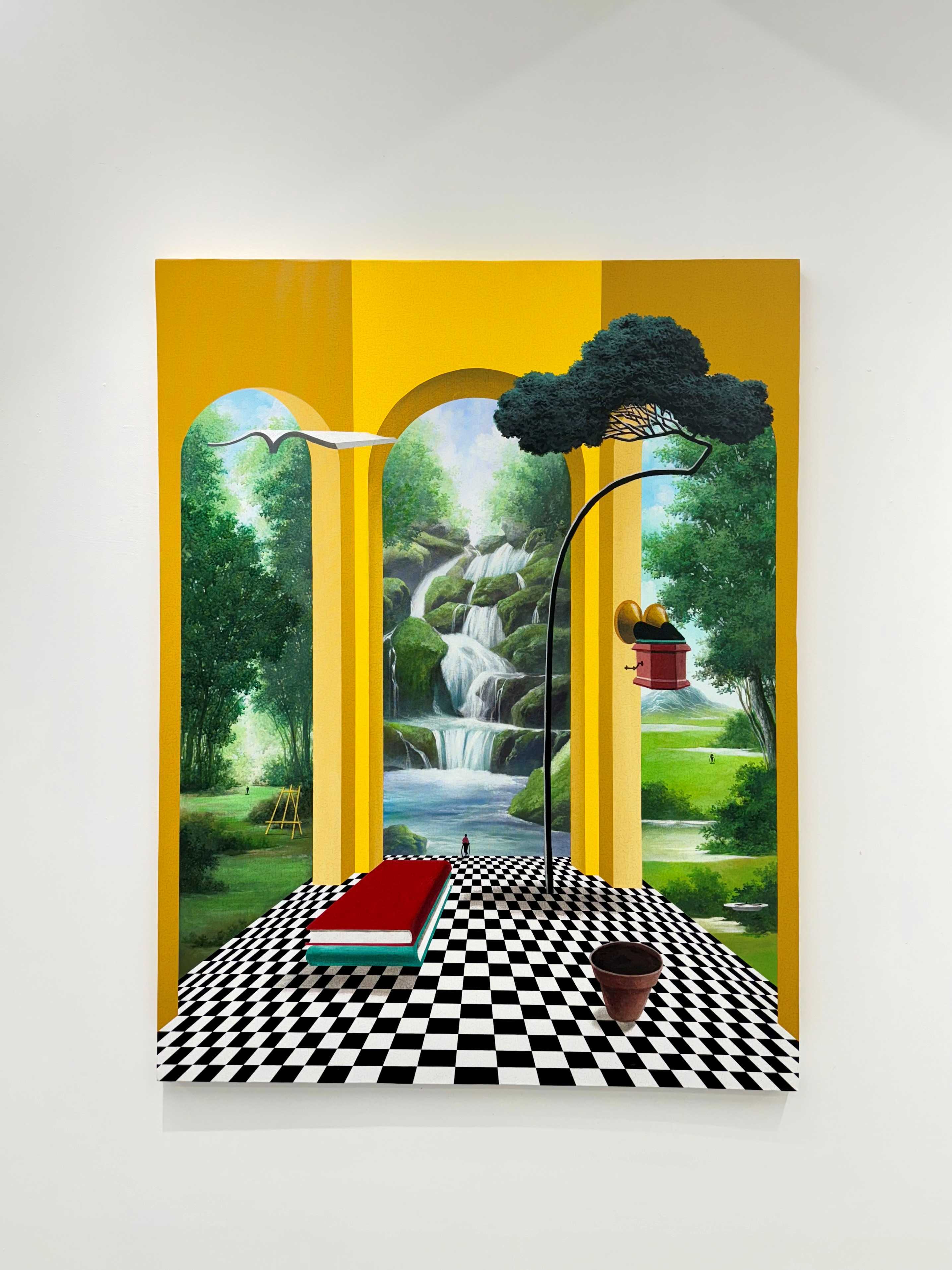
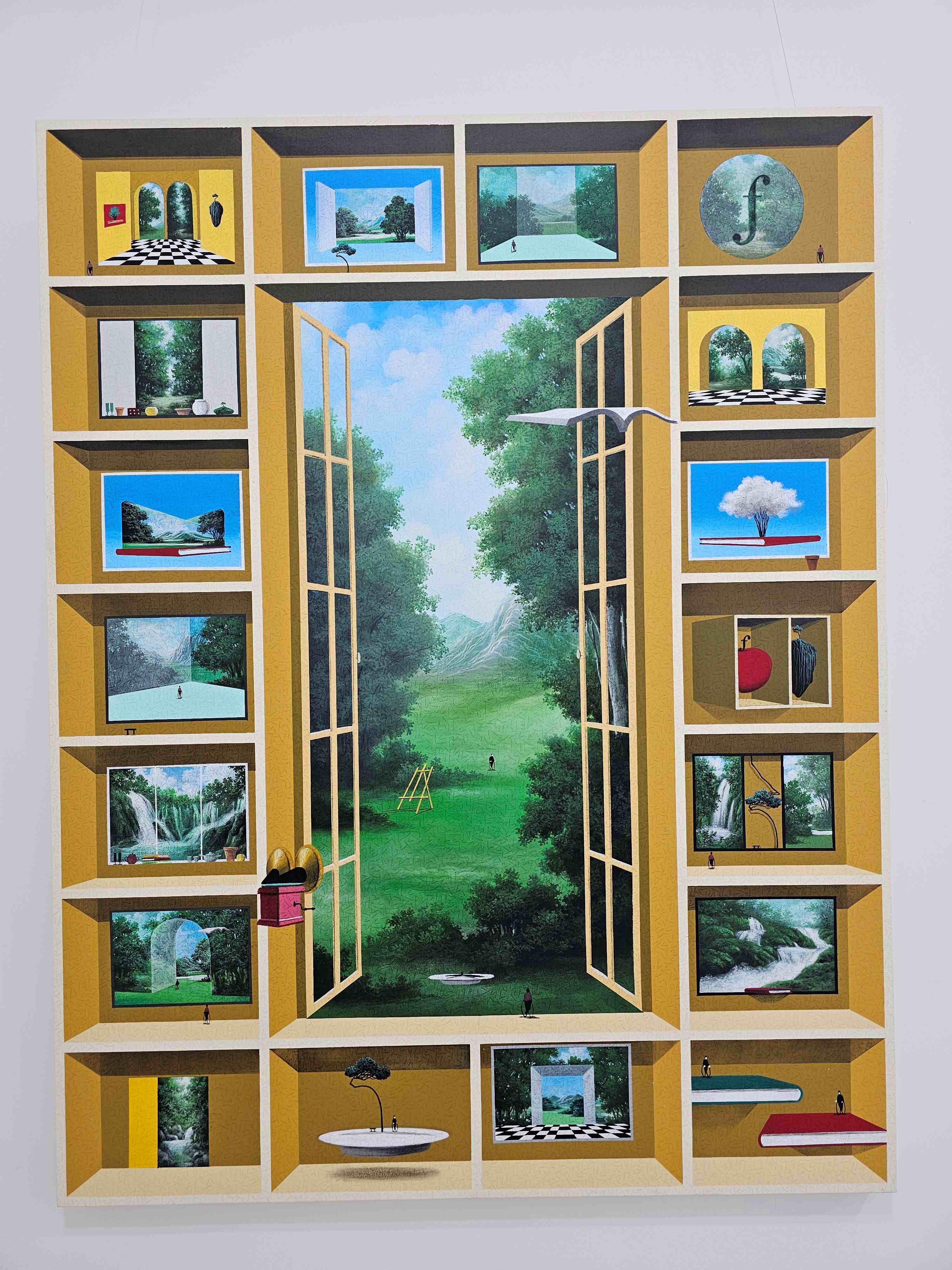
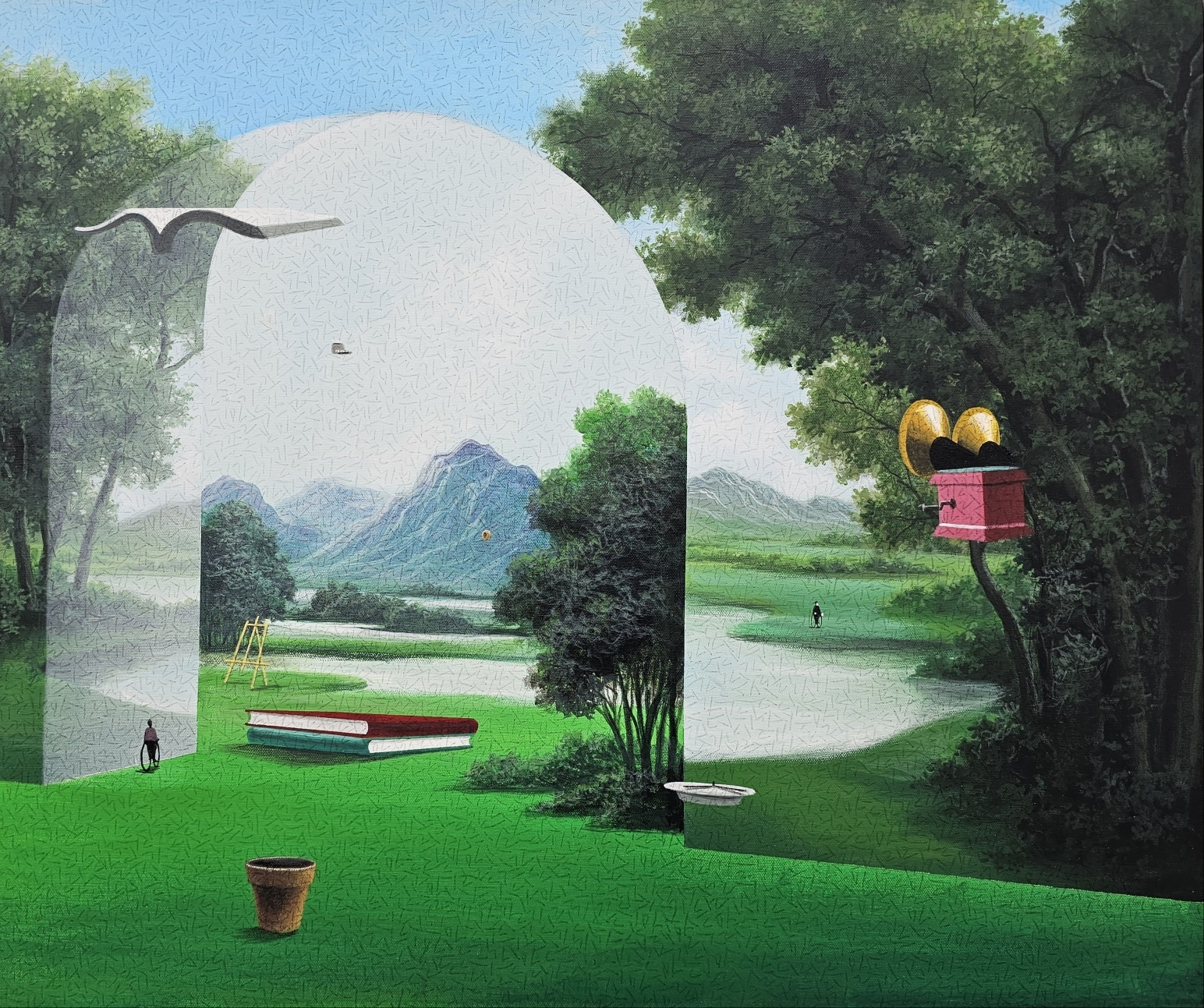
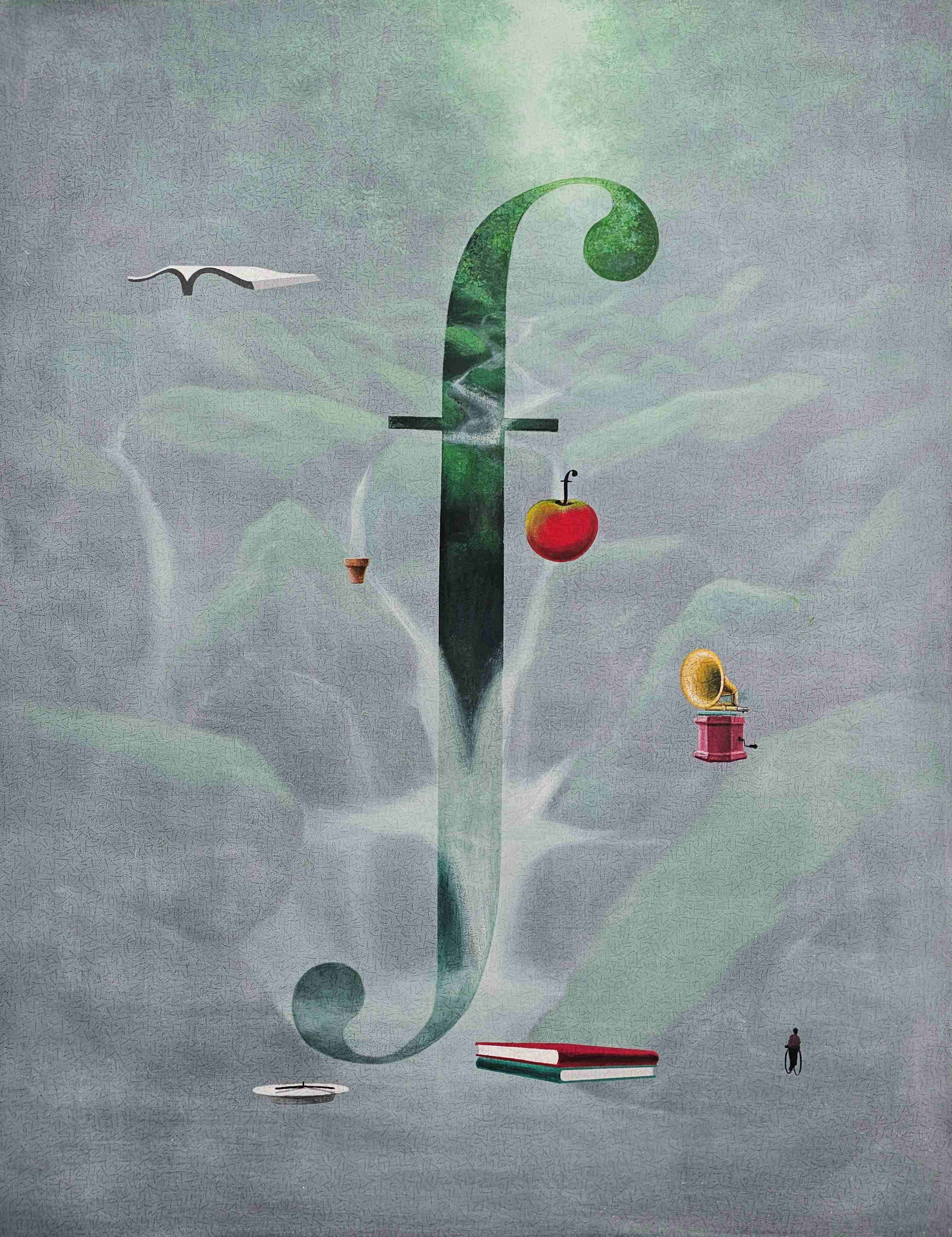
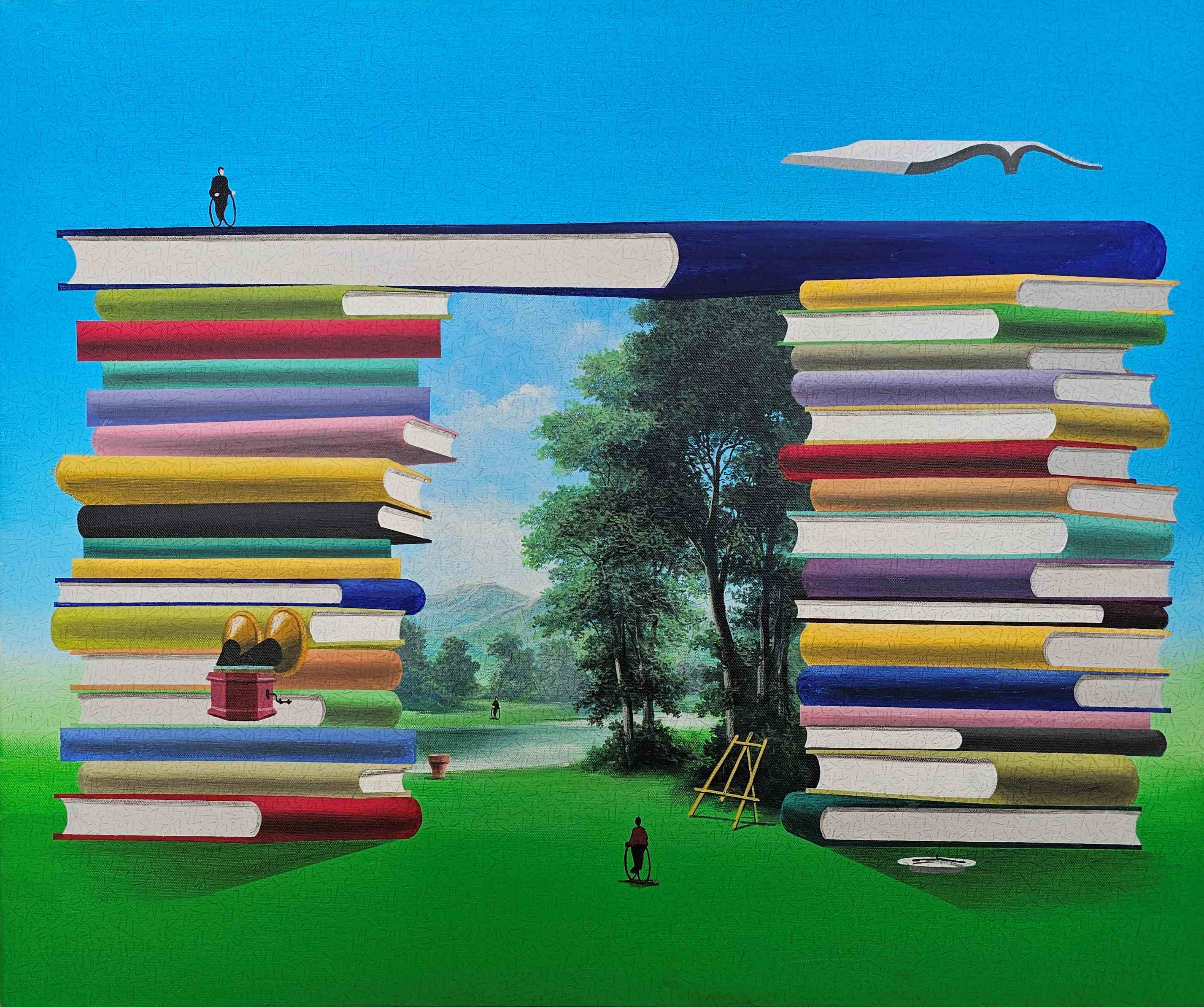
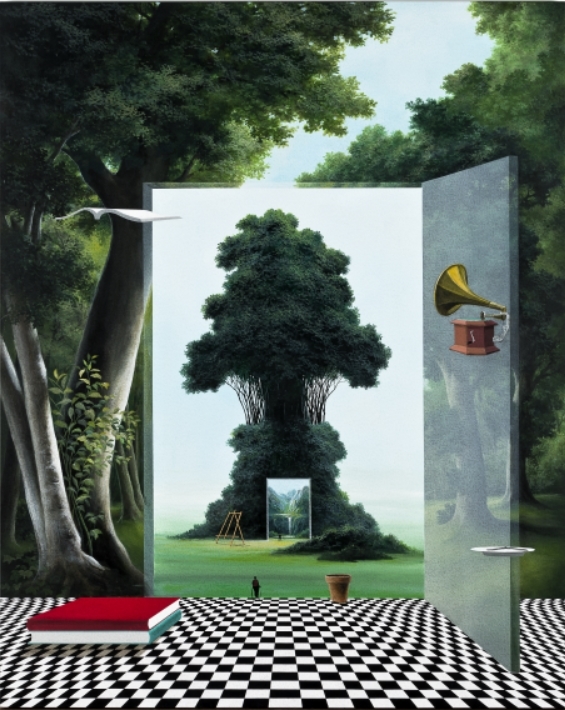
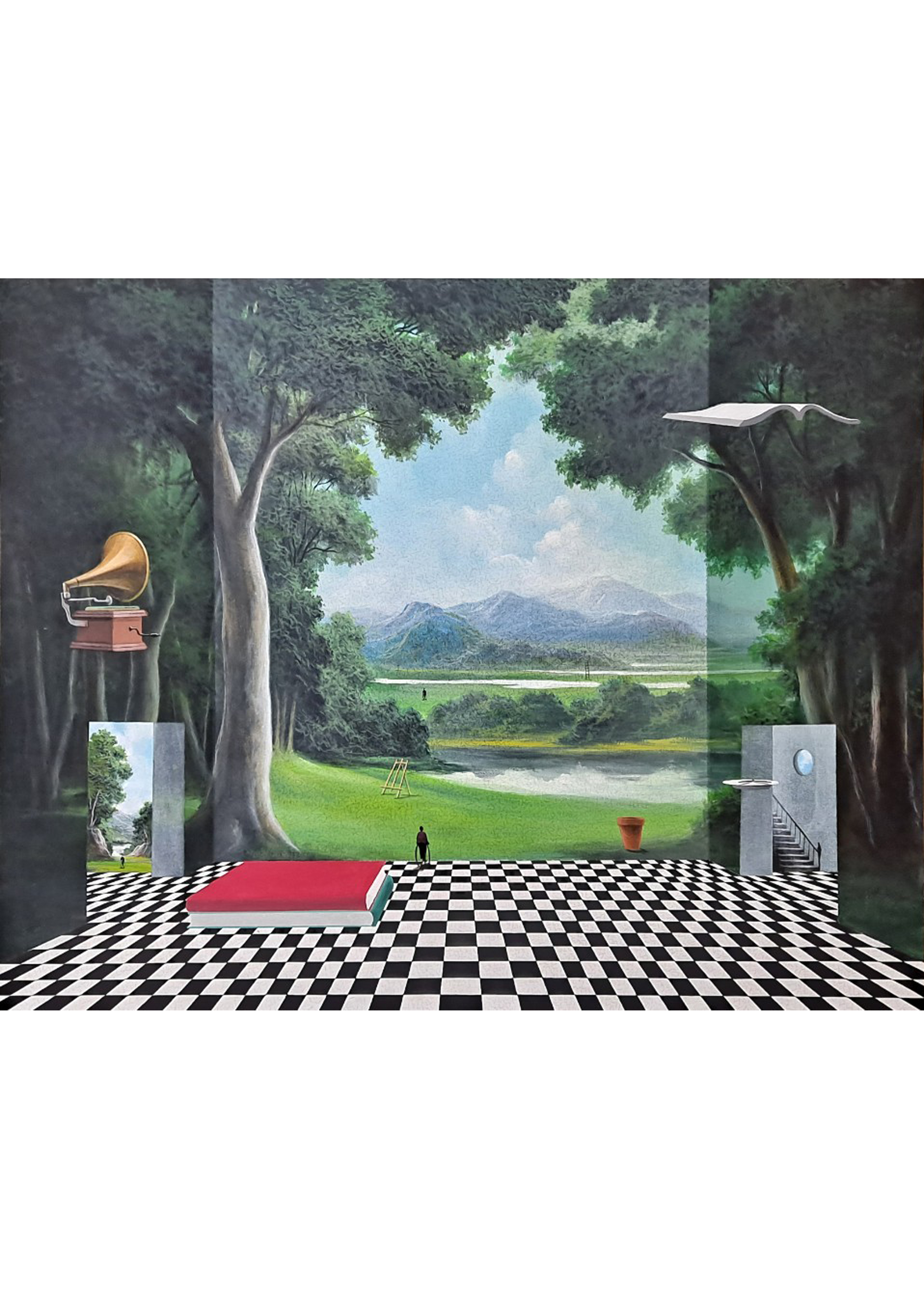
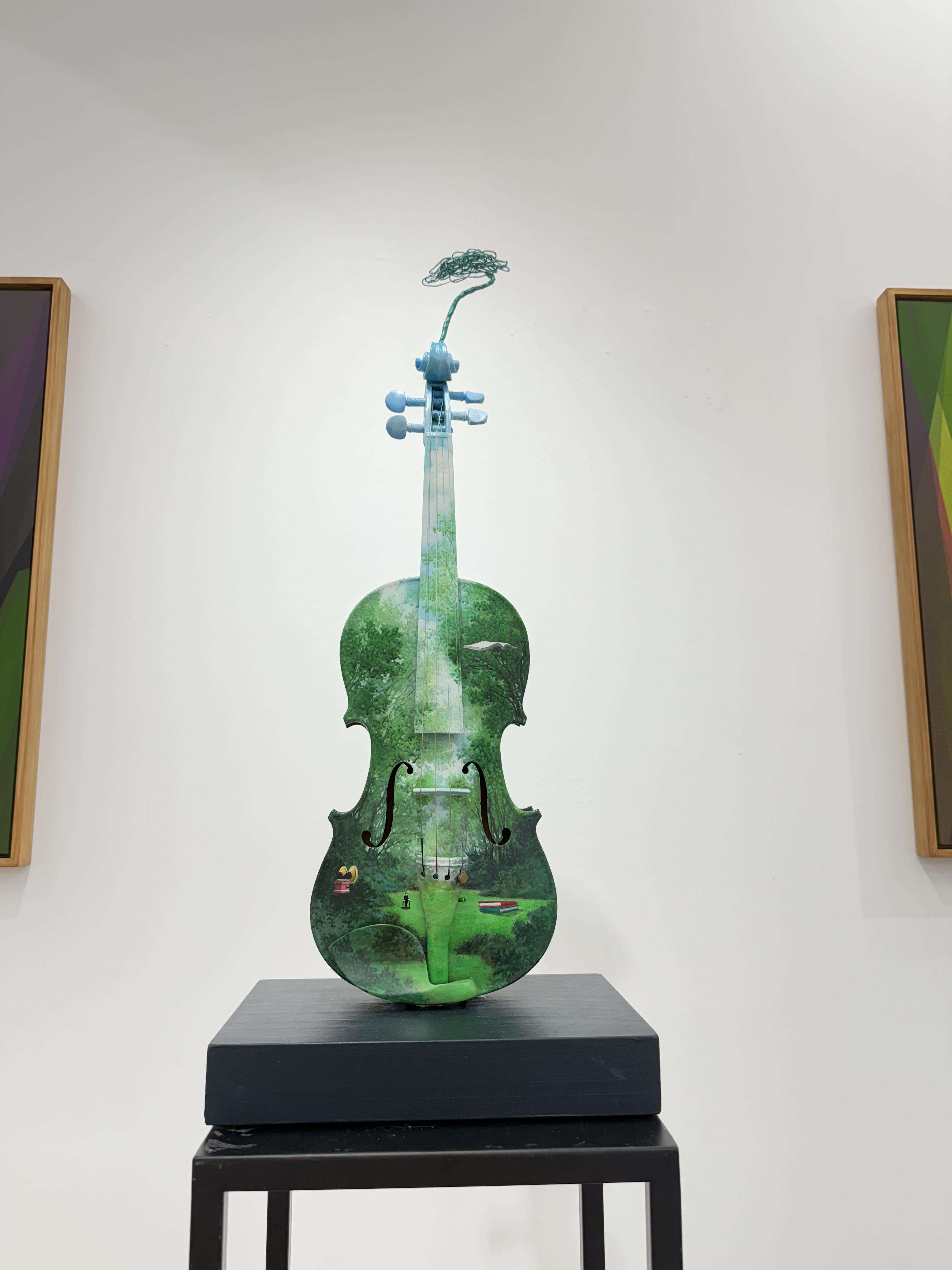
Yoo Suntai prompts viewers to recognize that the image in his paintings is not reality itself, but an illusion confined within a frame. The landscapes in his works are layered within multiple frames that the artist deliberately paints one over another. Traditionally, the visual illusion offered by painting has been completed by the rectangular frame of the canvas, and the space within that frame has been treated as a dimension separate from the physical space in which we exist.
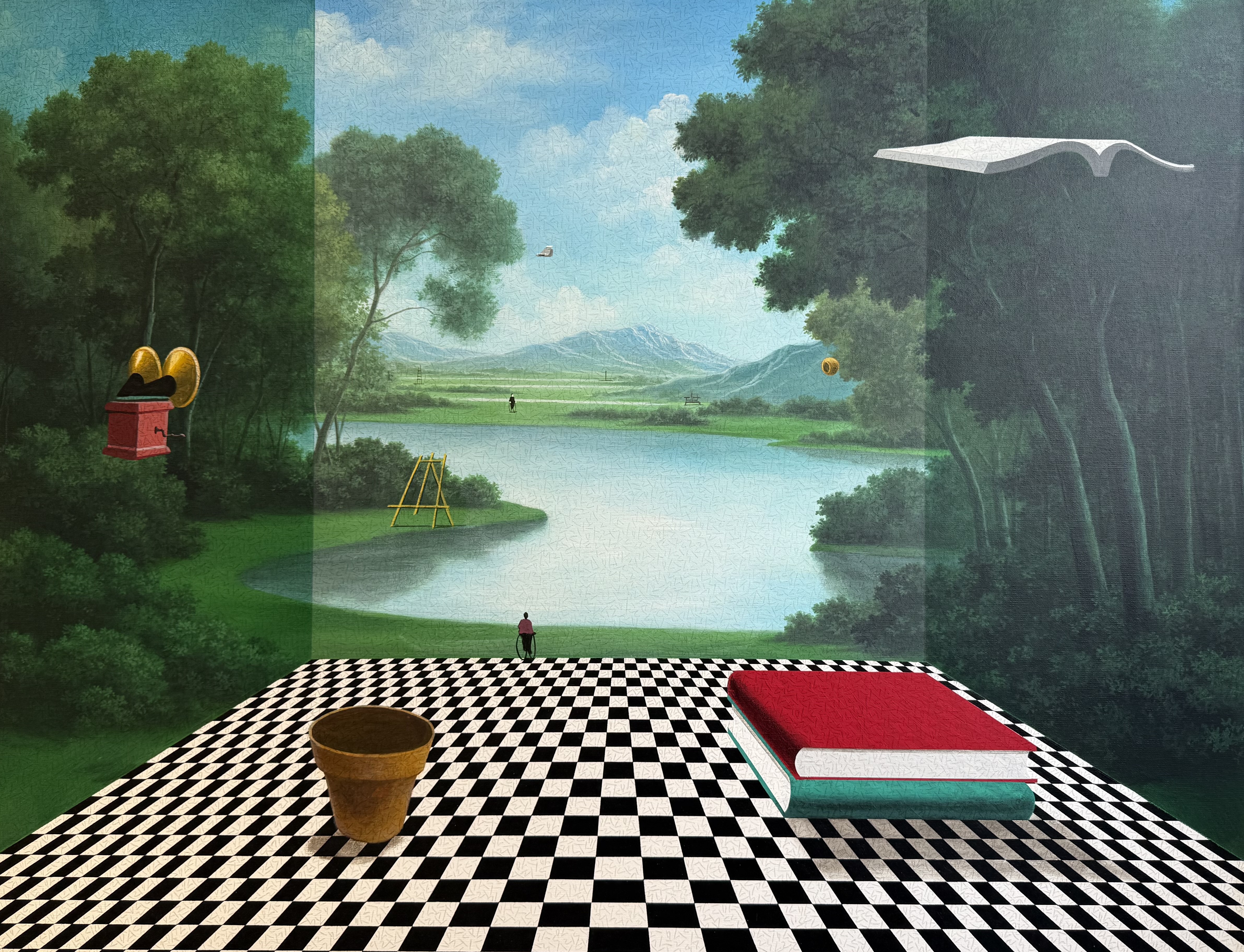
In fact, in the Western tradition, art has long been praised as something that “competes with nature” or even “rises to the level of nature.” In order to resemble nature as closely as possible, art has always had to appear both artificial and natural at the same time—pretending to be a painting while seeming not to be one. In other words, this was a kind of deception. In seventeenth-century Dutch still life painting, the chessboard often appears as an allegorical device suggesting the role of chance or trickery in life. Likewise, the interior floors in Yoo Suntai’s paintings are filled with a checkerboard pattern of alternating black and white.
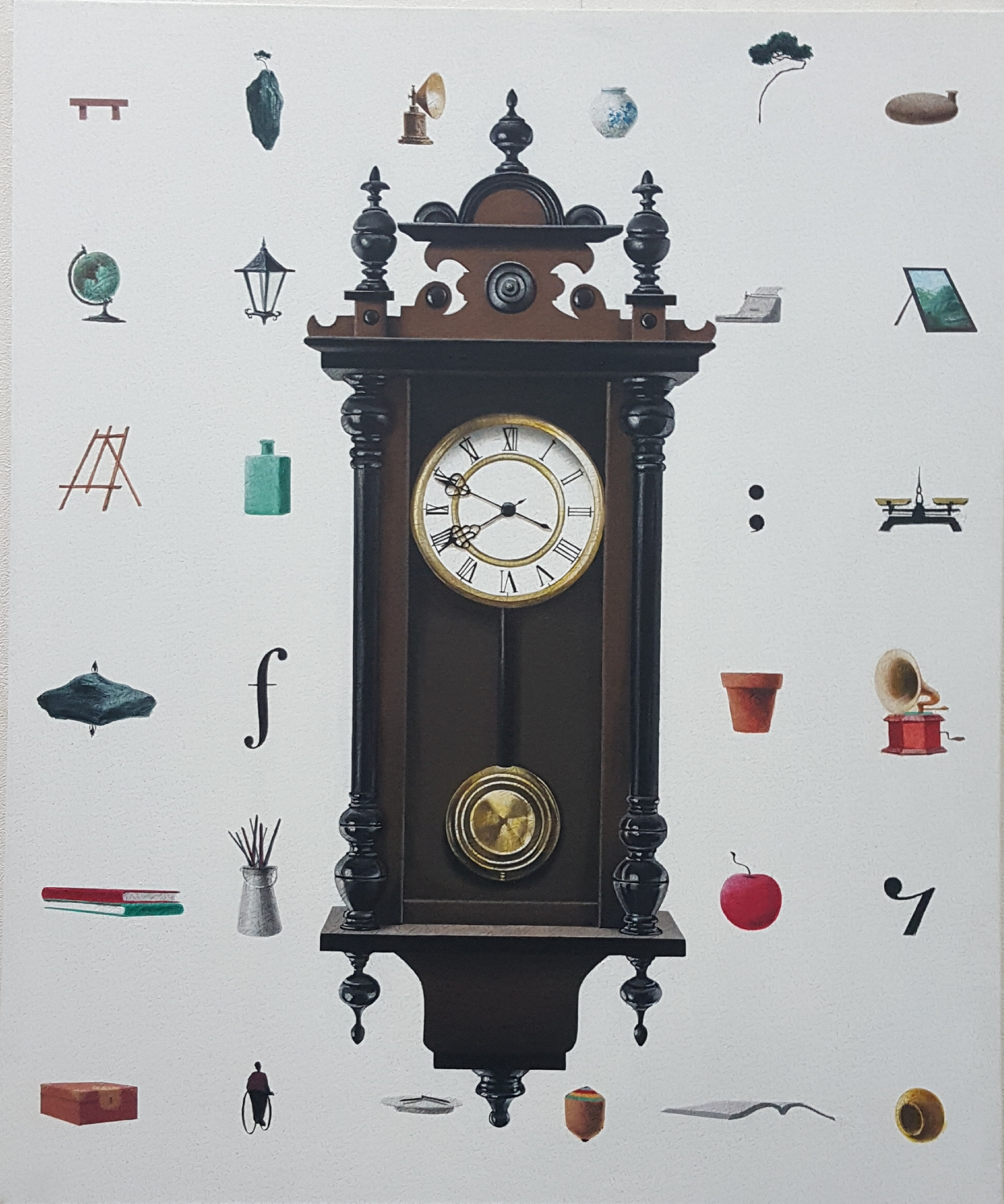
Yet in his paintings, a figure appears who boldly cuts across this very deception: the protagonist riding a bicycle—namely, the artist himself. As an observer, he resembles a traveler moving through a space where objects from memory float freely, like a time traveler passing through suspended moments. What is particularly notable is that he remains still, without pedaling the bicycle. This suggests a suspended present moment in which the future has not yet unfolded; the instant he presses the pedal, a new space—and a new future—will open before him.
유선태는 보는 이로 하여금 작품의 이미지가 현실이 아니라, 프레임 안에 갇힌 환영임을 자각하게 만든다. 그의 화면 속 풍경은 작가가 의도적으로 겹겹이 그려넣은 여러 겹의 액자 틀 안에서 중첩되어 있다. 전통적으로 회화가 제공해 온 시각적 환영은 사각형의 캔버스 프레임에 의해 완성되었으며, 그 프레임 속 공간은 우리가 존재하는 물리적 공간과는 분리된 차원으로 다뤄져 왔다.
사실 서양에서 오랫동안 예술은 ‘자연과 겨루는 것’ 또는 ‘자연의 경지에 오른 것‘이라는 찬사를받아왔다. 자연과 똑같이 닮기 위해,예술은 언제나 인위적이면서도 자연스러운 척, 그림이면서도 그림이 아닌 듯 가장해야 했다. 말하자면 이것은 일종의 속임수였다. 17세기 네덜란드 정물화에서 체스보드는 이러한 우연 또는 속임수가 삶에 개입함을 암시하는 알레고리적인 장치로 등장한다. 유선태의 그림 속 인테리어 바닥 역시 흑백이 번갈아가며 교차하는 체스보드 무늬로 채워져 있다.
그러나 그의 그림에서는 이 속임수를 보란듯이 가로지르는 인물이 등장한다. 바로 자전거를 탄 주인공, 즉 화가 자신이다. 그는 관찰자로서, 기억 속 사물들이 둥둥 떠 있는 공간을 여행하는 시간 여행자처럼 보인다. 여기서 주목할 점은, 그가 자전거 페달을 밟지 않은 채 멈춰 있다는 사실이다. 이는 아직 미래가 펼쳐지지 않은 현재의 정지된 순간을 암시하며, 페달을 밟는 순간 새로운 공간과 미래가 그의 앞에 펼쳐질 것임을 예고한다.